Canyon Pain Center
Call (602) 603-2282 New Patients Start Here
HomeServicesPain Medication Management

Pain medication management in Phoenix for complex, long-term pain.

Managing chronic pain with medication takes more than choosing a prescription. It takes a clear understanding of your diagnosis, your history, what you have already tried, how your medications interact, and how treatment affects your day.

Medication management is one of Canyon Pain Center's core specialties, including care for patients with longstanding or complicated regimens. We offer both non-opioid and opioid options, and every recommendation follows an individual evaluation. Medication is part of a broader plan that can also include targeted procedures and coordination with the other clinicians involved in your care.

Complete the New-Patient FormEmail your questions
Bring your history with you. A current medication list, your pharmacy, and records from your previous prescriber let your provider start from your actual treatment history.
4.9 on Google
WHAT THE SPECIALTY INVOLVES

Understanding medication management

Every visit is a clinical review, not a renewal. Your provider looks at whether each medication is still helping, what it costs you in side effects or risk, and whether the plan still fits the life you are trying to live.

A full regimen review
Current and past medications, the doses you have tried, over-the-counter products and supplements, and how you responded to each.
Benefits weighed against risks
Relief is weighed against side effects, daily function, and safety, and the balance is revisited as any of those change.
Interactions and health conditions
Your other prescriptions and medical conditions are checked for how they affect what is safe and useful for your pain.
Monitoring over time
Ongoing visits follow how treatment is working, with monitoring and documentation under the practice's clinical protocols.
THE BASICS

What is pain medication management?

It is the ongoing medical oversight of the medications used to treat pain: deciding whether a medication has a role, following how it works, and deciding when to continue, adjust, or change course. Canyon Pain Center offers both non-opioid and opioid medications, and either can be part of that conversation when it is clinically appropriate for your diagnosis, history, and response to earlier treatment.

It is a specialty because the decisions are rarely simple. Chronic pain often comes with other medical conditions, other prescriptions, and a long record of what has and has not worked. Each of those shapes how pain management and medication fit together for you, which is why there is no single medication or dose that is right for every patient.

Canyon Pain Center is directed by Dr. Patricia Sullivan, MD MPH. Meet our providers.

Complete the New-Patient Form
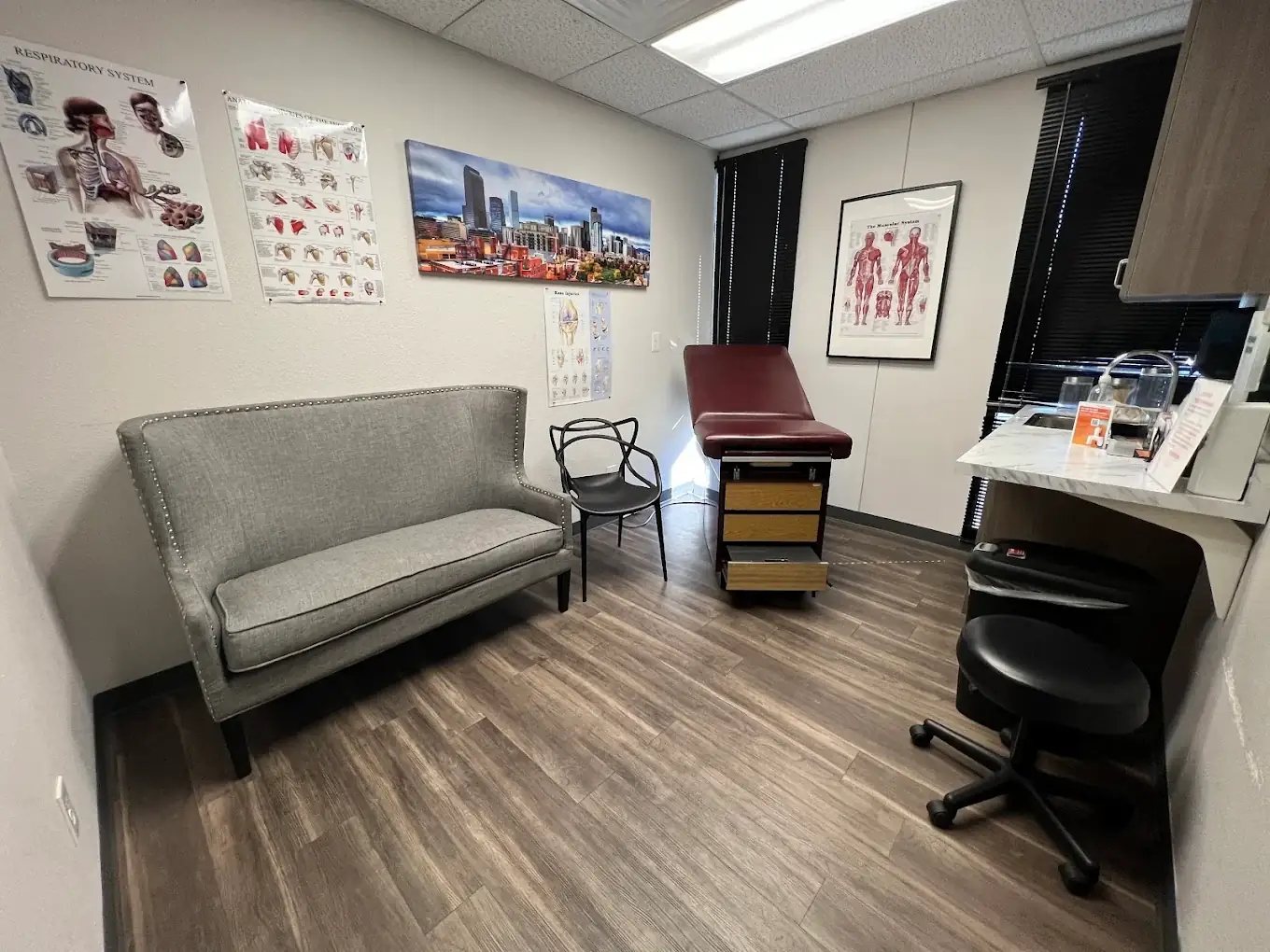
Consultation room at Canyon Pain Center
Judgment, not a formula
Provider discussing a long-term treatment history with a patient
ESTABLISHED TREATMENT HISTORIES

Already on a long-term medication plan?

Many patients come to us with years of treatment behind them. Some had a prescriber retire or close a practice, some are changing practices, and some have felt dismissed while looking for legitimate care. Those histories deserve a careful review, not an assumption in either direction.

Your records, previous treatment response, and current regimen are reviewed before decisions are made.
Continuing, adjusting, or changing a medication is decided for you as an individual, based on your clinical picture, not on a blanket rule or on what was prescribed before.
When a change makes sense, your provider explains the reasons and talks the plan through with you.
Your provider also works out with you whether Canyon is the right practice for your care.
CHANGING PAIN MANAGEMENT PRACTICES →
SAFETY AND MONITORING

When stronger pain medication is part of the plan

For appropriate patients, opioid medication can be one part of a plan for chronic pain. When it is, it is prescribed carefully and monitored closely, always alongside non-opioid options.

Our opioid medication management page explains when opioids are considered, the risks, and how they are prescribed and monitored in Arizona.

ABOUT OPIOID MEDICATION MANAGEMENT →
Provider reviewing a patient's treatment plan in an exam room
MORE THAN ONE APPROACH

Medication is important. It isn't the whole plan.

Pain that comes from muscles, joints, or nerves does not always respond to the same treatment. Your provider considers which approaches fit your condition, and many plans combine more than one.

01
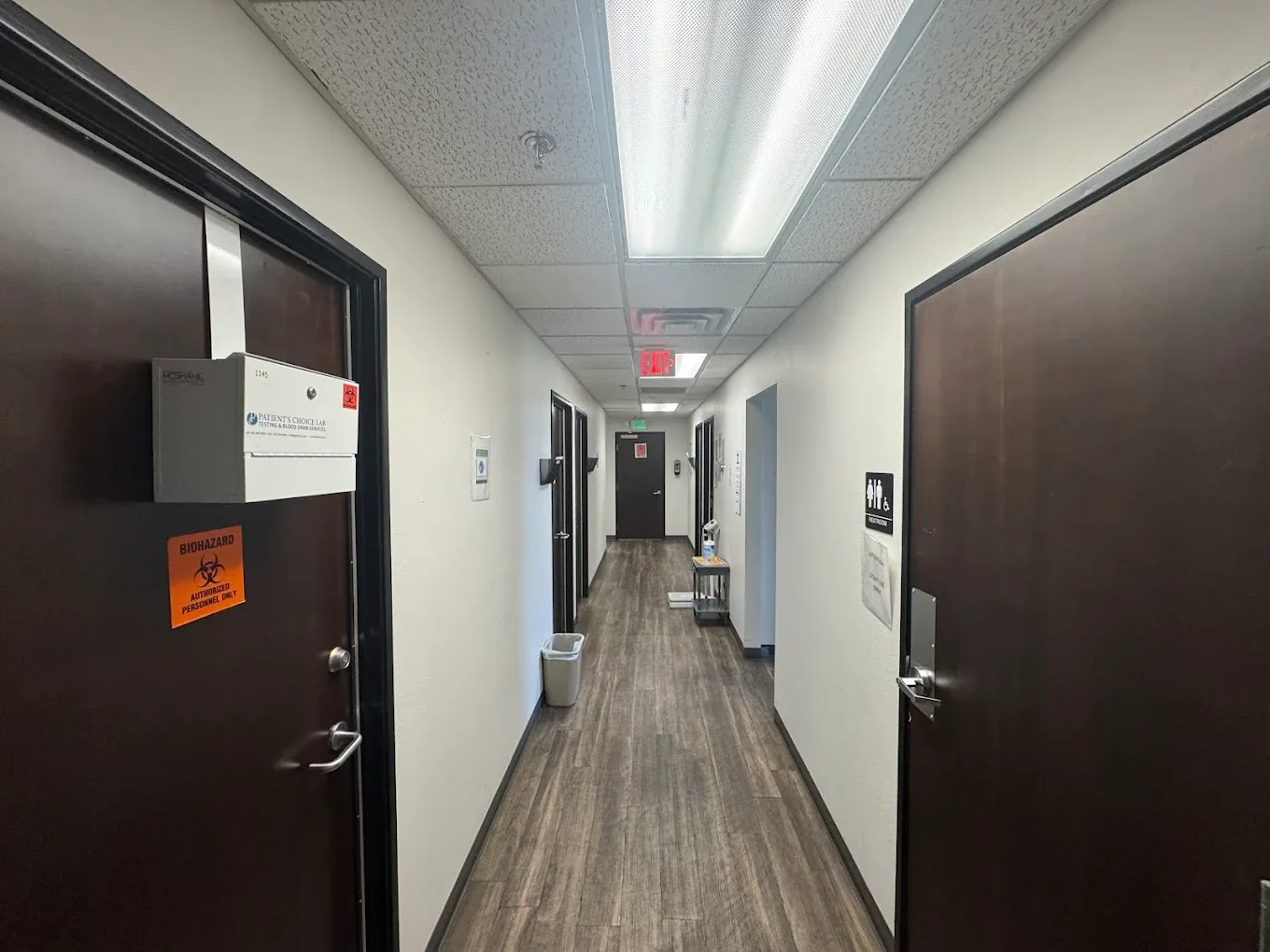
Lab draw station
Medication management
Both non-opioid and opioid options, chosen when appropriate and reviewed at every visit against your function, safety, and goals.
Common questions →
02
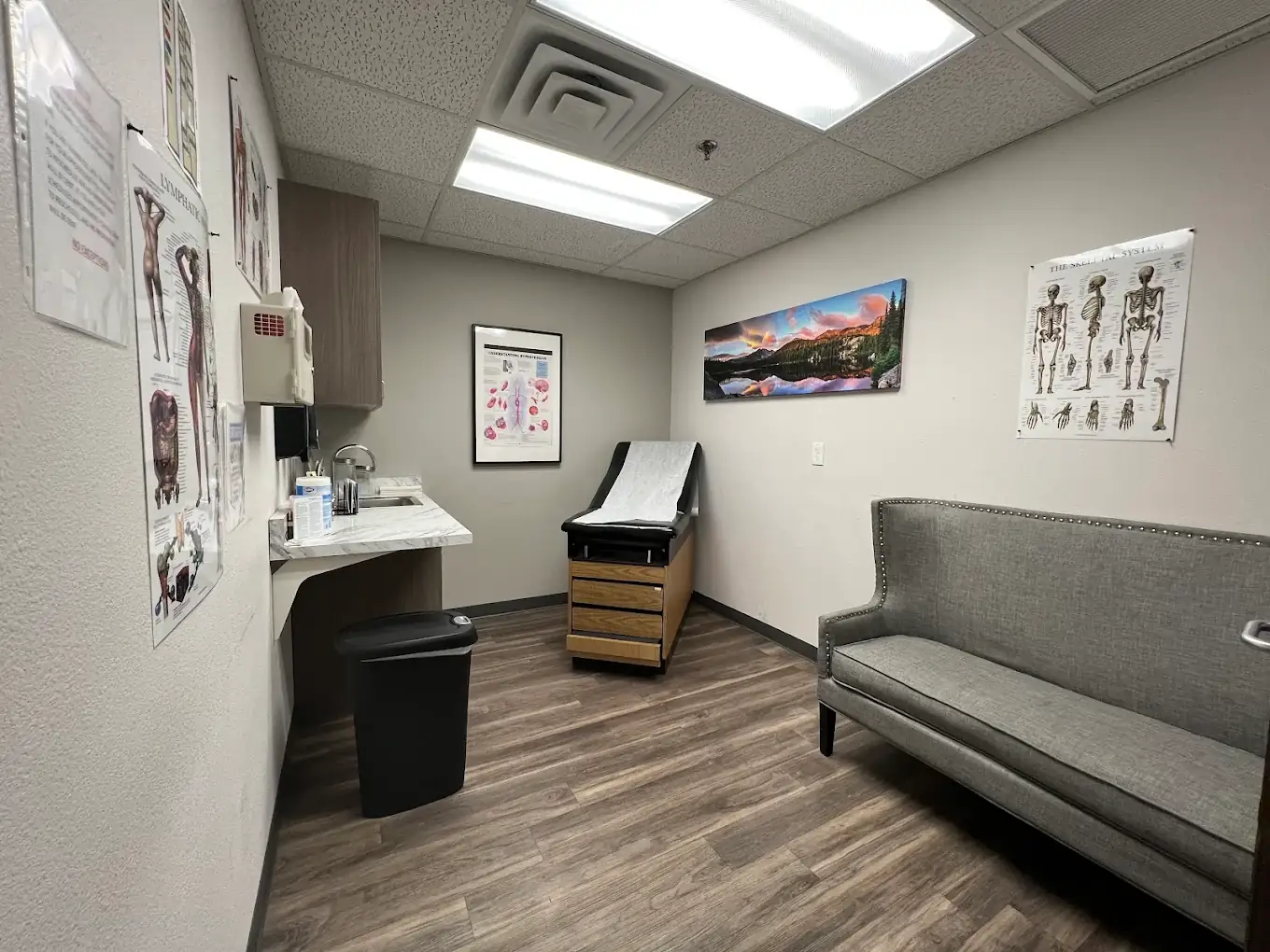
Procedure room
Trigger point injections
An option for certain kinds of persistent muscle pain. Your provider evaluates the affected muscles, the likely source of the pain, and your goals before deciding whether an injection is appropriate.
Learn More →
03
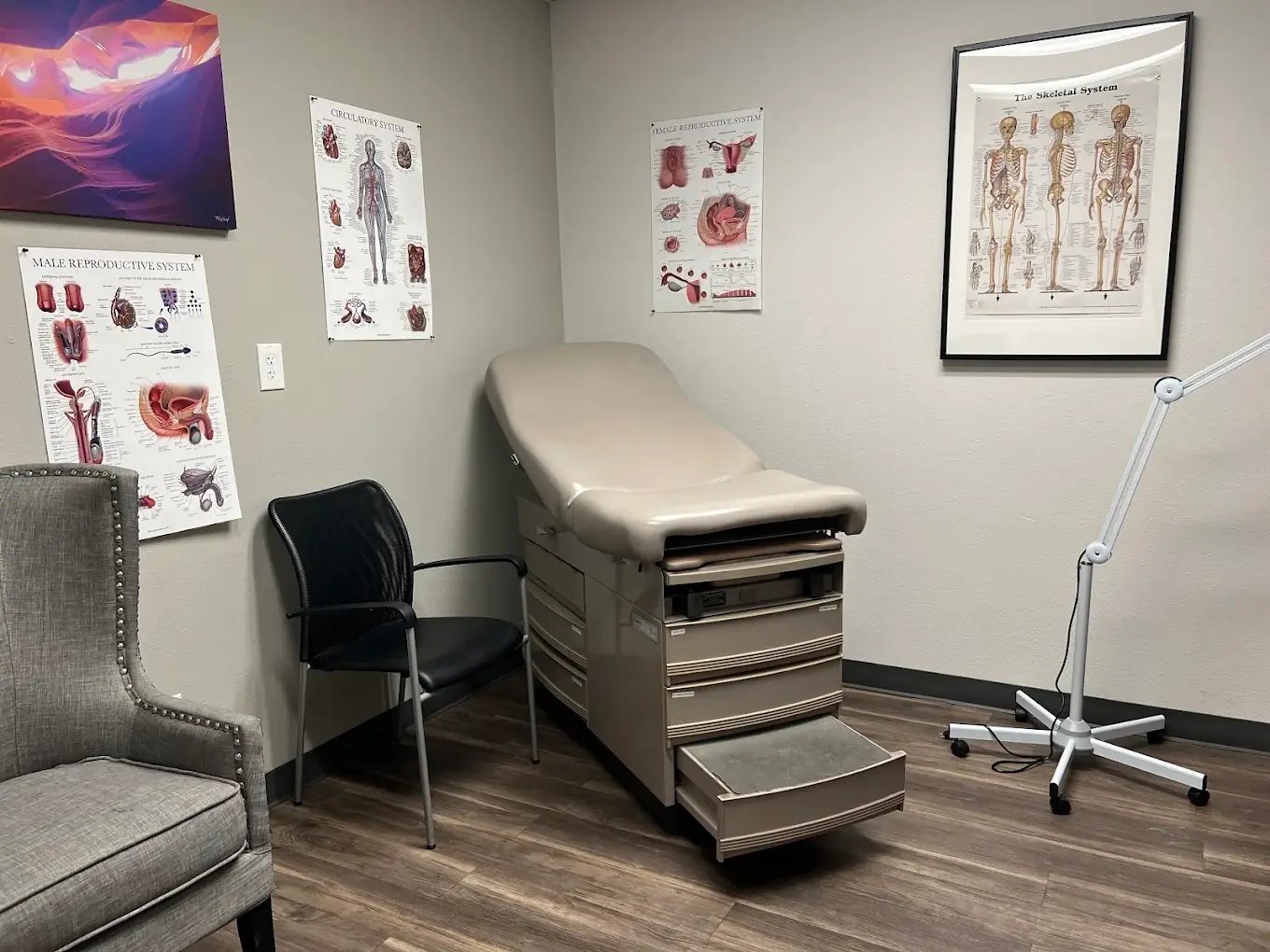
Exam room
Other targeted procedures
Procedures such as platelet-rich plasma (PRP) may be considered for selected conditions. Candidacy, risks, and alternatives are reviewed individually, and our team can tell you which procedures are currently offered.
Learn More →
04
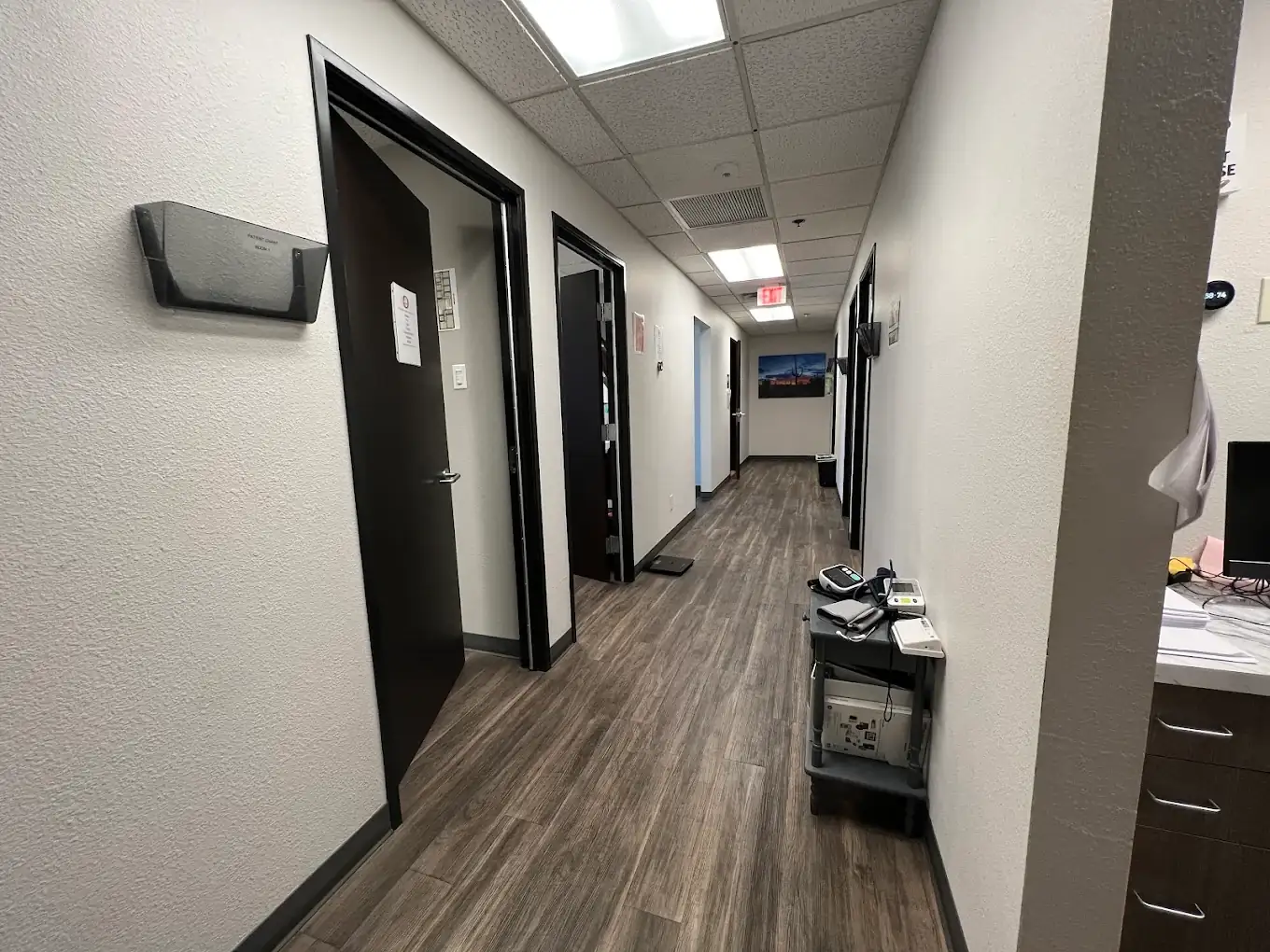
Clinic corridor
Physical therapy and coordinated care
With your permission, we work with your outside physical therapist, primary care clinician, and other specialists so medication decisions fit the rest of your care. Physical therapy itself happens with your own therapist, not at our office.
Our approach →
FUNCTION AND GOALS

How we judge whether a medication is working

A pain score is only part of the picture. Your provider will ask how you are sleeping, how far you can walk, whether you can work or keep up with the house, and which side effects you are living with. Those answers, followed over time, show whether a medication is earning its place in your plan or whether another approach deserves a try.

Start with the New-Patient Form
YOUR VISITS

What medication management looks like, visit by visit

Before your first visit
Your treatment history, in one place

Bring or arrange access to a full list of your current and past pain medications with their doses, your pharmacy, the name of your previous prescriber, prior treatment records, imaging and test results, and notes on what helped and what did not. Records that arrive before your visit let your provider start from your real history.

Records reviewed in advanceSubmit records only through our secure process
At the evaluation
A complete clinical review

Your provider discusses your diagnosis, how pain affects your daily life, your current regimen and how long you have been on it, side effects, your other medical conditions and prescriptions, and your goals. Some regimens need additional records or evaluation before a plan can be set, and your provider will tell you what is still needed.

Benefits and risks discussed openlyYour questions shape the plan
Ongoing visits
Care that keeps up with you

Follow-up visits revisit what is working, what has changed, side effects, safety monitoring, and whether another approach should be added. Your plan can change as your needs do, and the reasons for any change are explained to you. Why follow-up visits matter.

Reassessed at every follow-upChanges explained
STARTING CARE

Starting care with a medication history

If you already take medication for pain, these are the steps from your first request to your evaluation.

Step 01
Send your request
Complete the new-patient form or call (602) 603-2282, and tell us which medications you take now and who prescribes them.
Step 02
Share your records
Our team tells you which records to send, such as prescriber notes, your medication history, imaging, and procedure reports.
Step 03
Review and next steps
Your request and records are reviewed, and our team contacts you about scheduling, visit fees, and payment.
Step 04
Your evaluation
A full review with your provider, who explains the options for your care and what happens next.
Complete the New-Patient Form Questions about your records? info@canyonpaincenter.com
FAQS

Questions about medication management

Yes. Medication management is one of our core specialties, including care for complicated and long-term regimens. We offer both non-opioid and opioid options. Recommendations come from an individual evaluation of your diagnosis, history, and the benefits and risks of each option, and medication is usually one part of a broader plan.
You can request an evaluation and send your treatment records. Your current regimen is an important part of that review. Once your provider has evaluated your history, diagnosis, and how you are responding now, you decide together how to proceed, and the provider determines whether Canyon can appropriately manage your care.
Yes. We evaluate patients with many kinds of pain histories, including long-term treatment with opioid and non-opioid medications. Each case is reviewed individually, and decisions about starting care and about medication follow that review.
There is no universal answer, because no single medication or dose is right for every patient. Your provider weighs the benefits, risks, your history, and the alternatives with you. If a change is appropriate, the reasons and the plan are discussed with you, and changes to long-term treatment are considered carefully and individually.
That depends on what the evaluation finds. Whether a medication is prescribed, and which one, is decided after your provider has reviewed your history and records, and some regimens need additional records before a decision can be made.
Yes. Our approach is multimodal. Depending on your condition, your provider may discuss targeted procedures such as trigger point injections, other procedures for selected conditions, and coordination with an outside physical therapist. Our team can tell you which procedures are currently available.
Physical therapy is not provided at our office. With your permission, your provider can take your outside physical therapist's findings into account and coordinate with them as part of your plan.
Visit fees and payment arrangements are explained on our new-patient page, and our team goes over them with you before you schedule.
OUR FACILITY

Take a look around the center

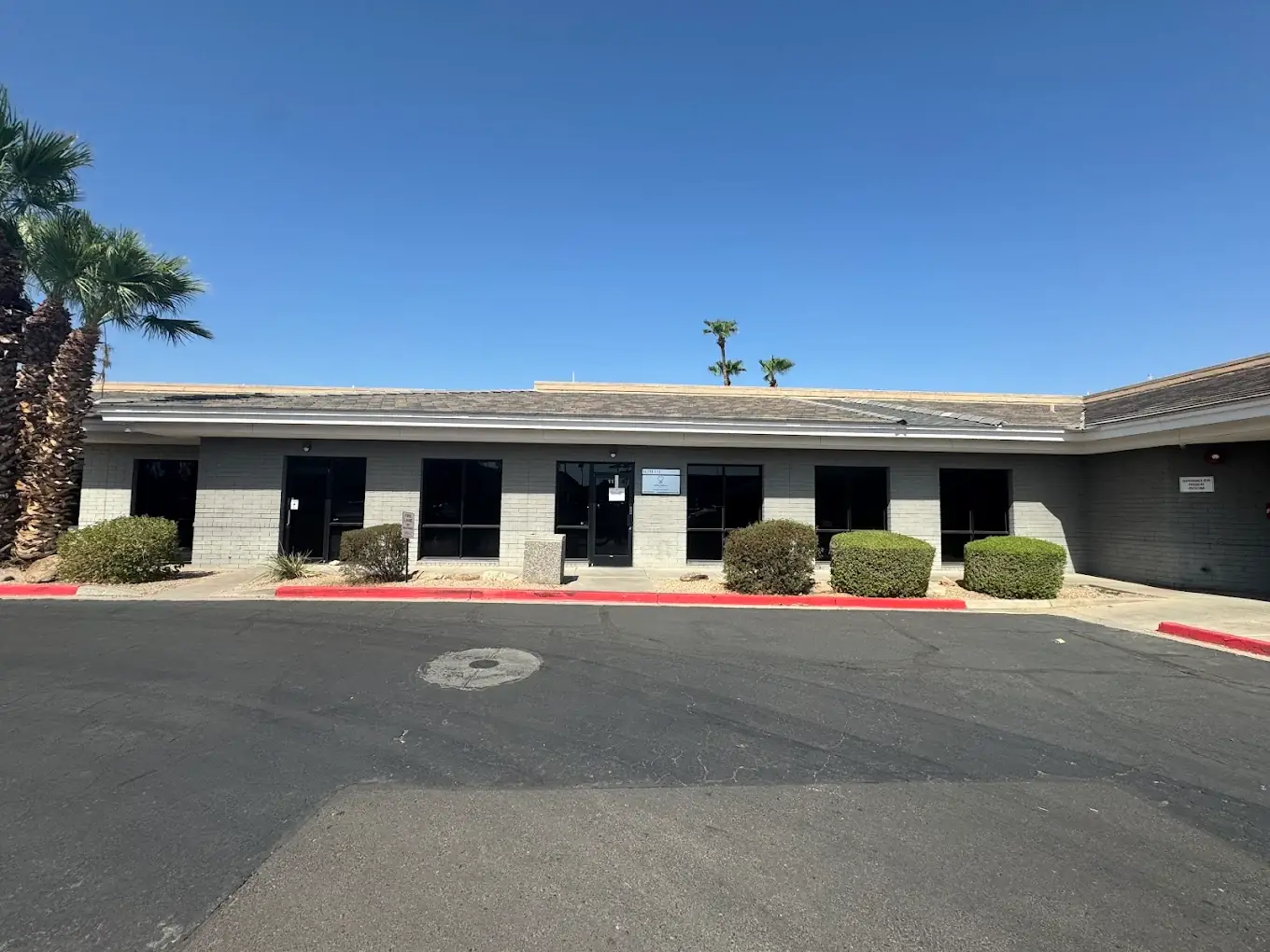
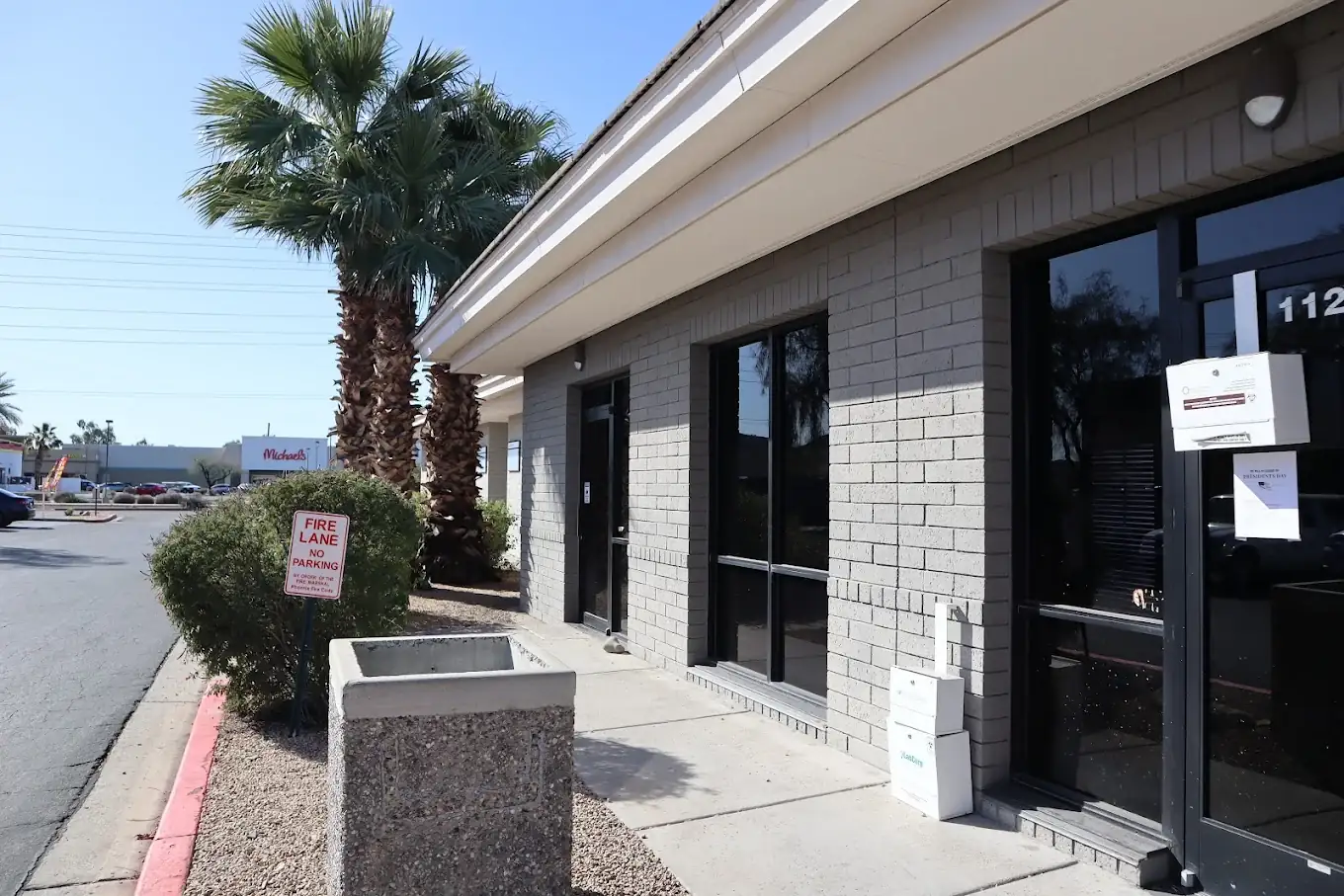
Clinic exterior Exam room Waiting room Suite 112 entrance Consultation room
VISIT US

702 E Bell Rd, Suite 112

Phoenix, AZ 85022
Monday – Thursday8:30 AM – 3:30 PM
Friday – SundayClosed
Email info@canyonpaincenter.com Get Directions
Bringing a long or complicated medication history? Start with the new-patient form.
Complete the New-Patient Form