Common side effects
Constipation, nausea, drowsiness, dizziness and itching are common, especially when starting or changing a dose. Drowsiness can affect driving and work.
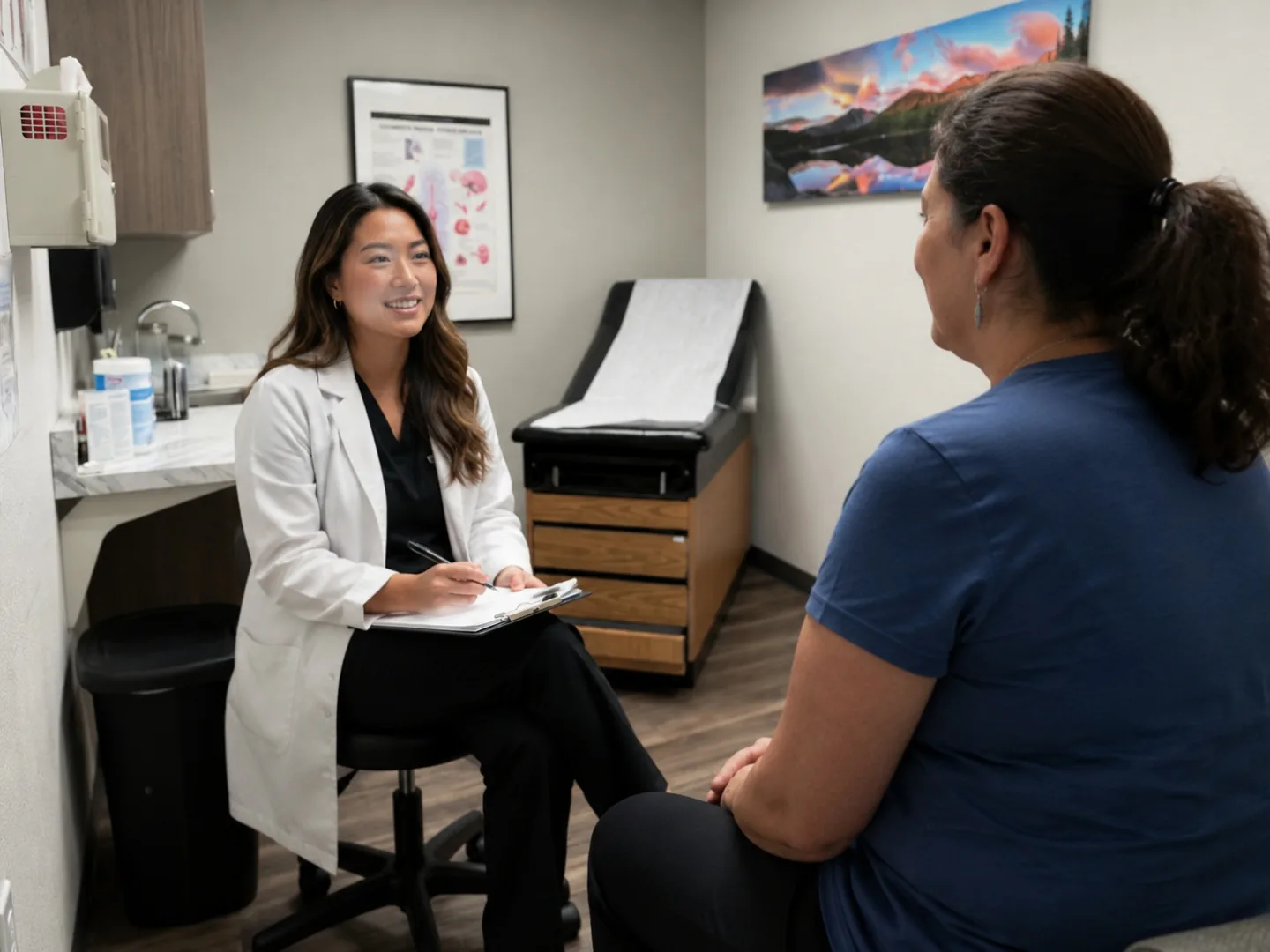
If you or someone you care for takes an opioid for pain, knowing the risks, the warning signs of an overdose, and how to use and store the medication safely helps keep everyone safe.
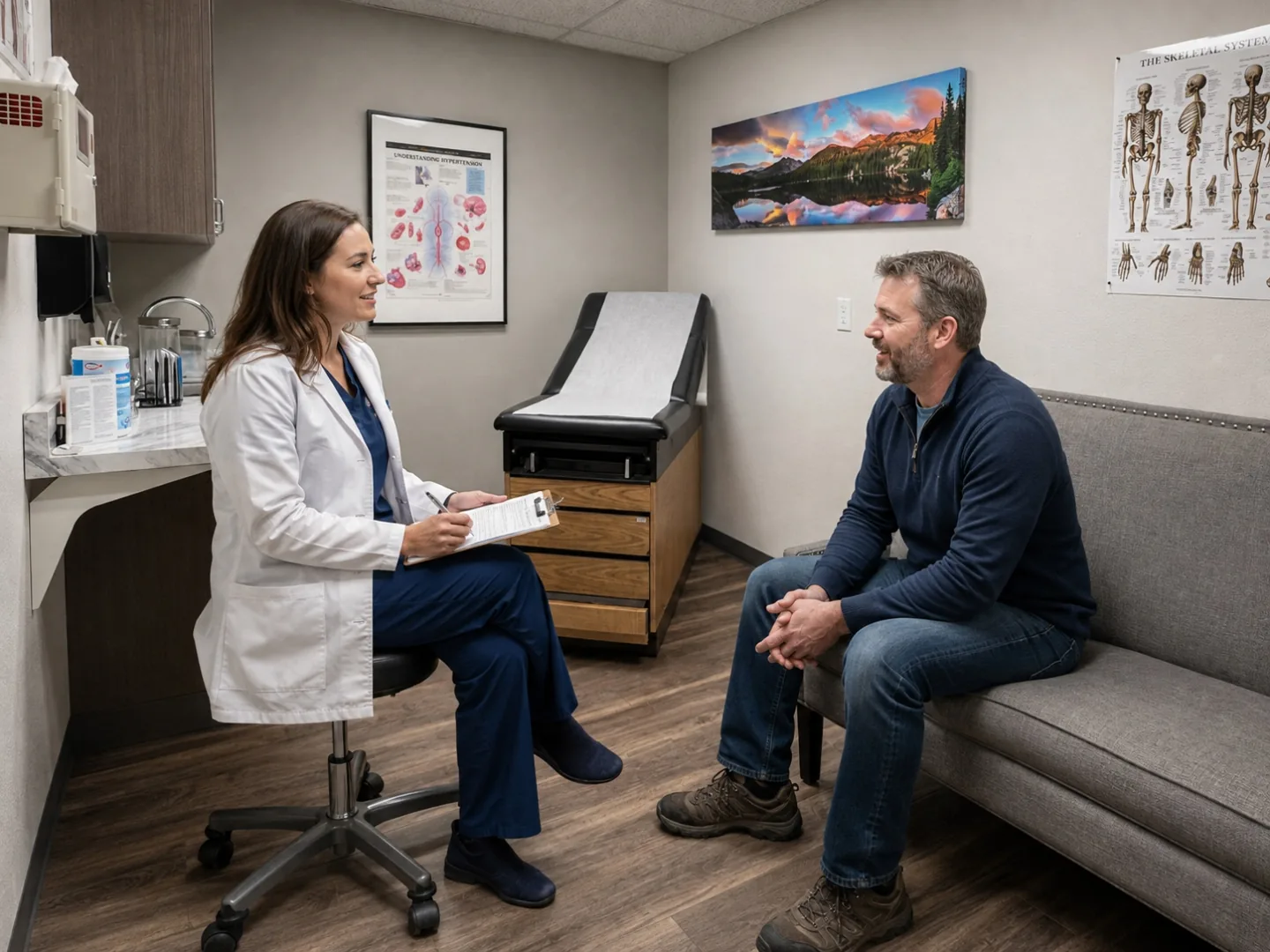
This page is a resource for Canyon Pain Center patients and their families. Your provider can go over any of it with you at your next visit.
Knowing the difference between common side effects and serious risks helps patients use opioids safely and recognize when to get help.
Constipation, nausea, drowsiness, dizziness and itching are common, especially when starting or changing a dose. Drowsiness can affect driving and work.
Opioids can slow or stop breathing, which is what happens in an overdose. The risk is higher at higher doses and when opioids are combined with alcohol, benzodiazepines, sleep medications or other sedatives.
With regular use the body adapts to an opioid. Physical dependence is expected with long-term use, is different from addiction, and is why stopping suddenly can cause withdrawal.
Some people develop opioid use disorder, even when taking opioids as prescribed. If you are worried about your use, talk with your provider or call one of the support lines below.
An overdose can happen when breathing slows or stops. If you are not sure whether someone is overdosing, treat it as an overdose.
Call 911 even if the person wakes up after naloxone, because its effects can wear off.
Naloxone is a medication that can quickly reverse an opioid overdose. The nasal spray is available without a prescription at pharmacies across the country, and it is simple enough for family members to use.
If you take an opioid, your provider can talk with you about whether keeping naloxone at home makes sense, particularly at higher doses or alongside other sedating medications.
Six steps if you think someone is overdosing. Always follow the instructions printed on your naloxone package.
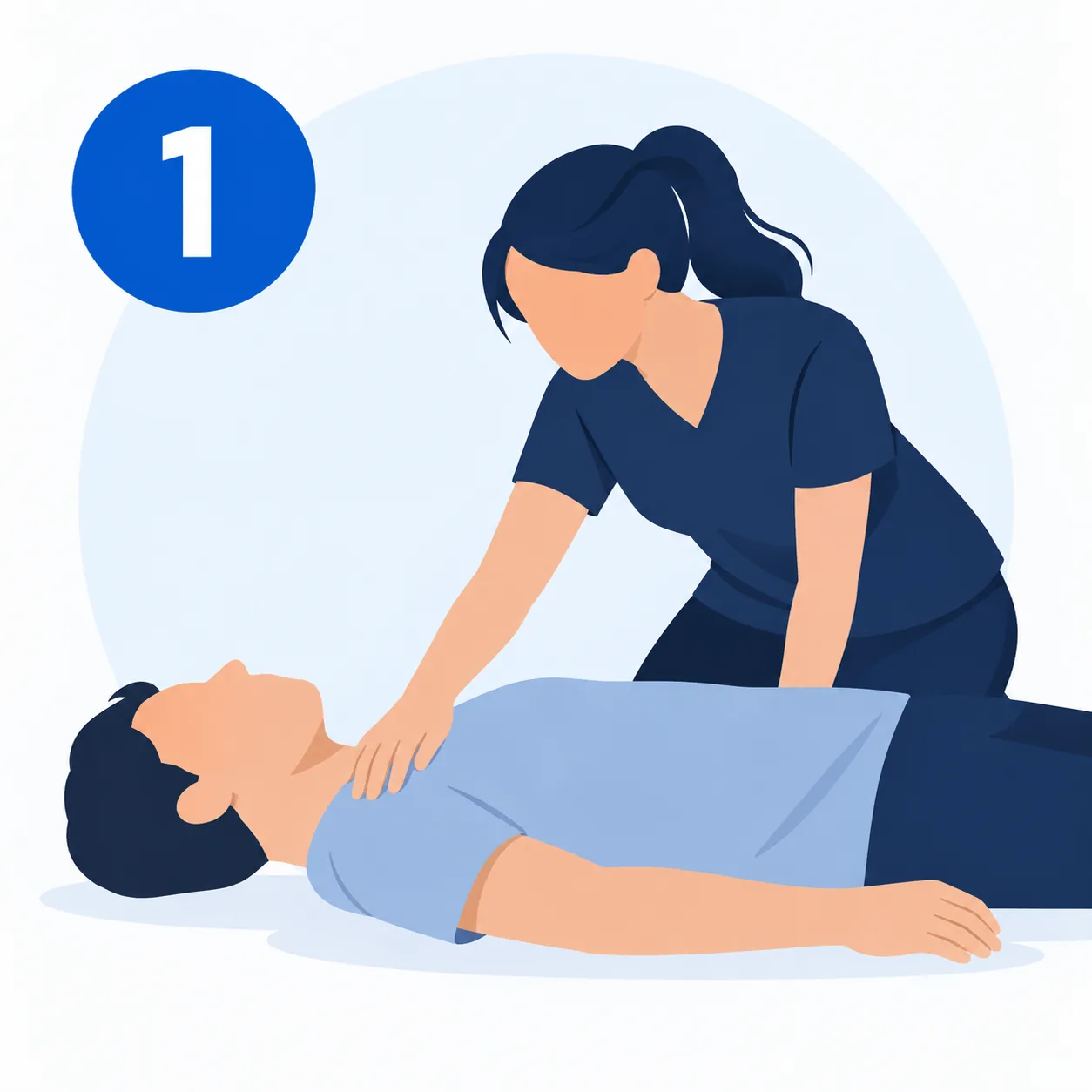
Shout their name and rub your knuckles hard on the center of their chest. Look for slow or no breathing, blue or gray lips or fingertips, and pinpoint pupils.
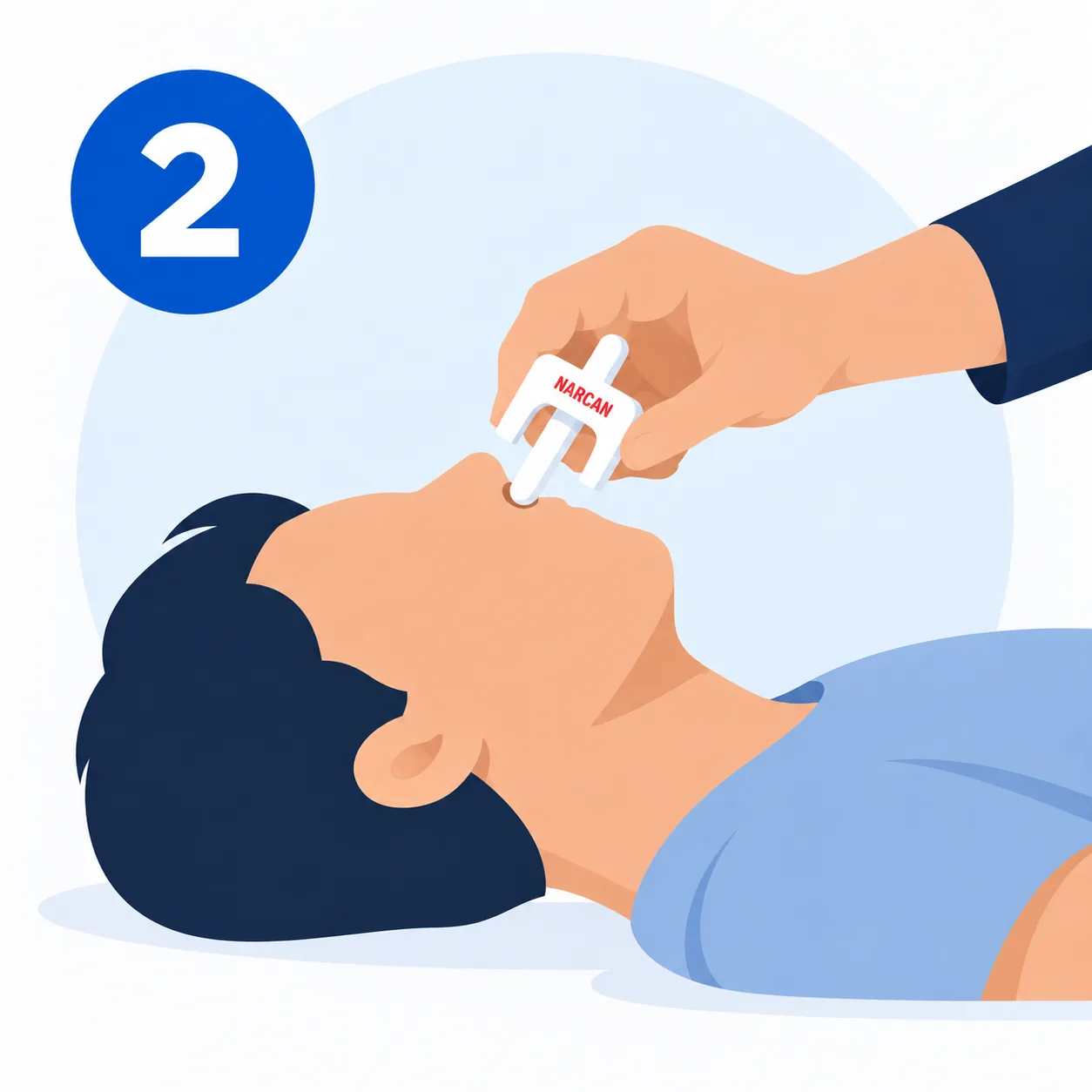
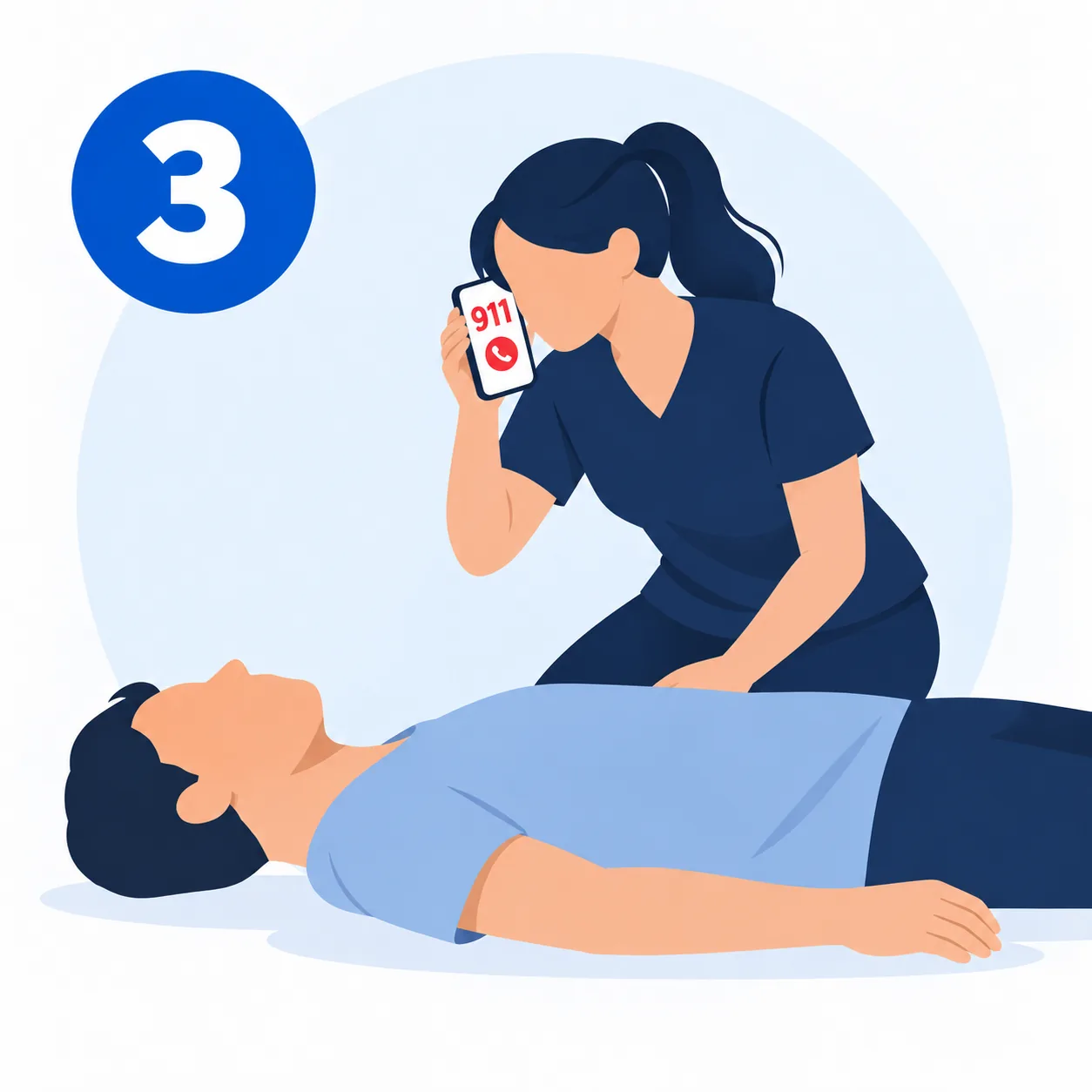
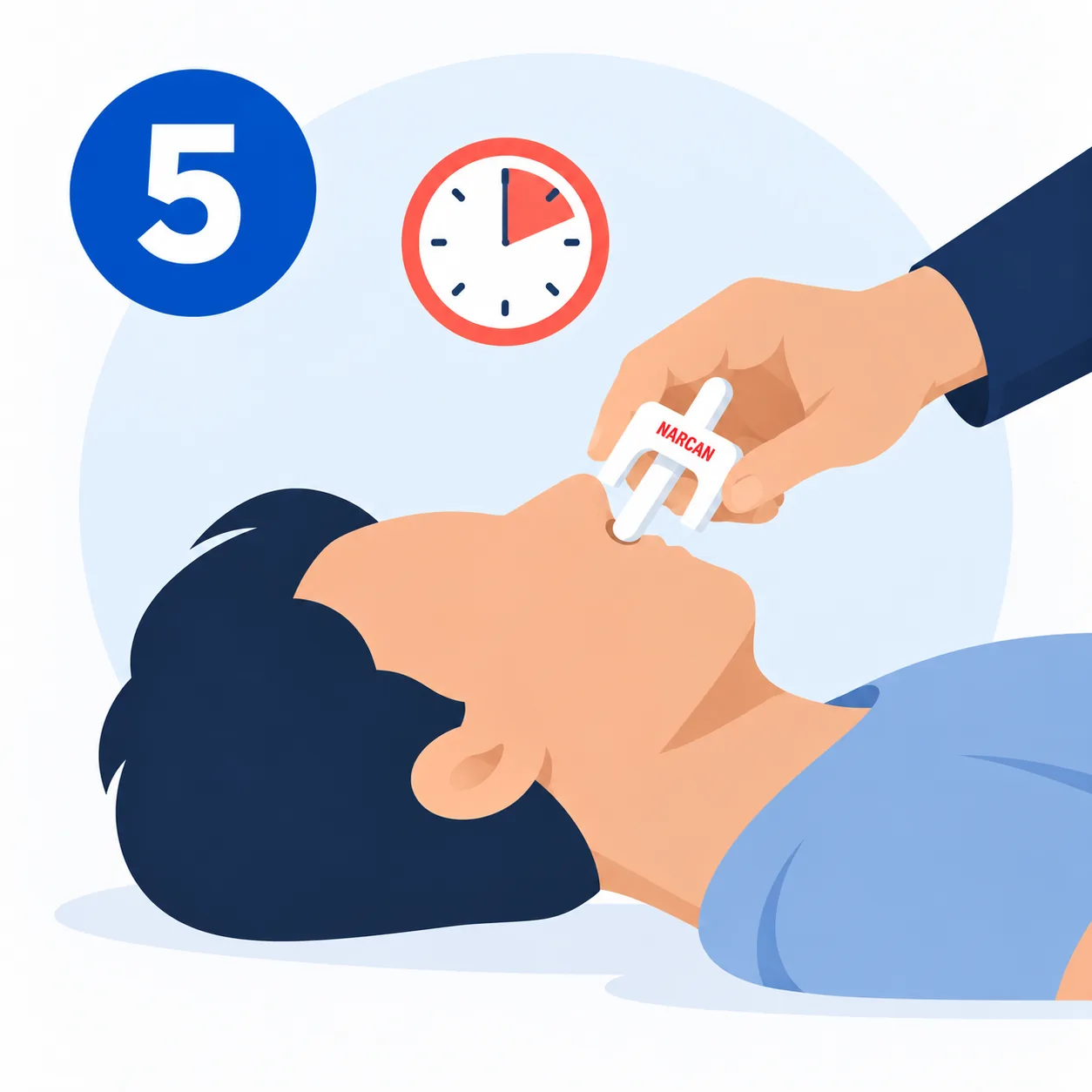
Lay them on their back and tilt the head back. Put the nozzle all the way into one nostril and press the plunger firmly. If someone else is with you, have them call 911 now.
Say someone is not breathing or will not wake up. Give your exact address.
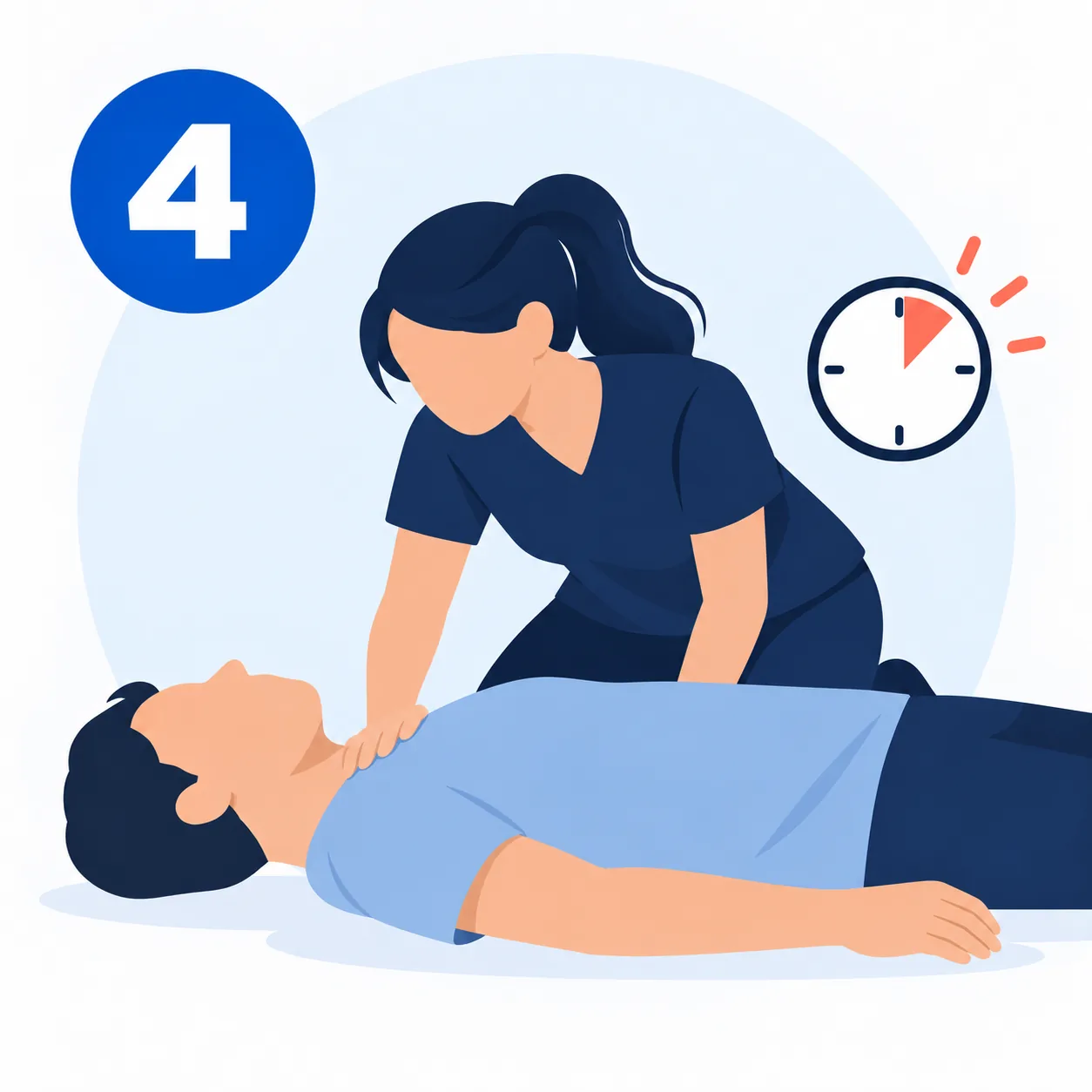
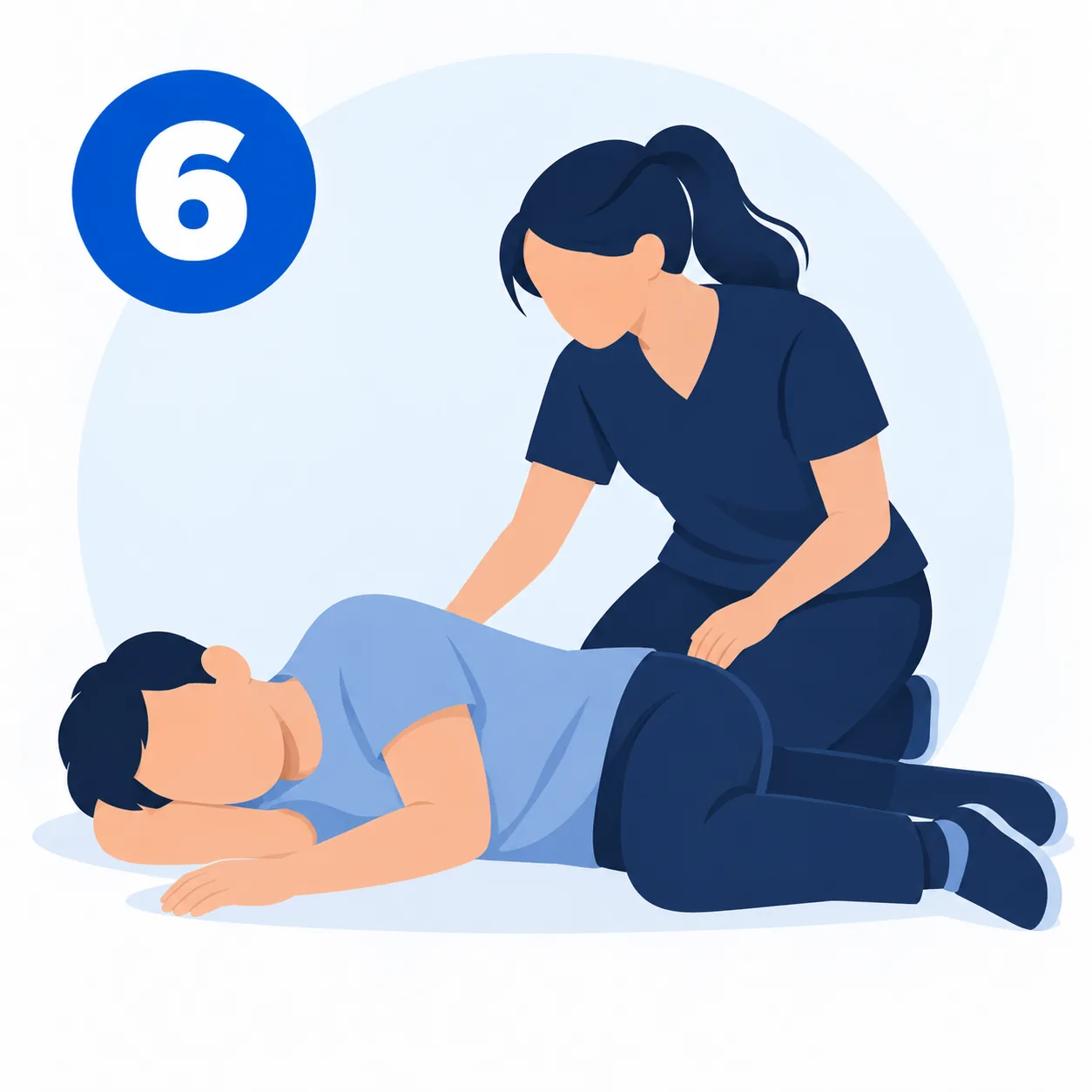
If you are trained, give rescue breaths. If they are breathing, roll them onto their side so they do not choke.
If there is no response after 2 to 3 minutes, give a new dose in the other nostril. Use a new device each time.
Naloxone can wear off before the opioid does. Stay until emergency help arrives, even if they wake up.
Take opioids only as prescribed and tell every clinician who treats you, including your dentist and pharmacist, that you take one. Keep them in their original containers, out of sight and reach of children, visitors and pets, ideally locked, and never share them.
Unused or expired opioids are safest out of the home. Many pharmacies and police stations have drug take-back kiosks. If none is available, follow the disposal instructions on the medication guide or ask your pharmacist.
Tell the people you live with that you take an opioid, where it is stored, where the naloxone is, and how to recognize an overdose. A short conversation now means they can act quickly if they ever need to.
Bring these to your next visit. There are no wrong questions about a medication you take every day. Tick the ones you want to ask.
Questions about your own treatment? Call Canyon Pain Center, or learn more about our pain medication management.