Canyon Pain Center
Call (602) 603-2282 Request Appointment
HomeServicesPain ManagementOpioid Medication Management

Opioid medication management for chronic pain in Phoenix.

Canyon Pain Center provides individualized medication management for adults with chronic pain, including patients whose treatment involves opioid medication. Opioid therapy is considered only when it is appropriate for the patient, and it is managed with careful evaluation, regular follow-up, and attention to safety.

This page explains how opioid medication management works at Canyon, how starting opioid therapy differs from managing long-term treatment, Arizona's prescribing requirements, and what patients should know about risks and safe use.

New Patient FormText Us
Provider reviewing a patient's treatment history
OUR MEDICATION MANAGEMENT SERVICES

How opioid medication management works at Canyon

Medication management is one of our core specialties. Care is built around four parts.

Clinical evaluation
An in-depth review of your pain history, diagnosis, previous treatments and how you responded, current medications, other health conditions, daily function and goals, including records from previous prescribers.
Treatment planning
Your provider explains the options that fit your clinical picture, which may include non-opioid medications, opioid therapy when appropriate, targeted procedures or referrals, along with the benefits and risks of each.
Follow-up care
Regular follow-up visits review your pain, daily function, side effects and safety, and adjust the plan as your needs change.
Safeguards and documentation
Arizona's prescription monitoring program is reviewed, risk is assessed, benefits and risks are explained, and each decision is documented.
STARTING OR CONTINUING TREATMENT

Starting opioid therapy is different from managing long-term treatment

Starting opioid therapy. For someone who is not already taking opioids, current CDC guidance recommends making full use of non-opioid treatments first and considering an opioid only when the expected benefits for pain and function outweigh the risks. If an opioid is started, the aim is the lowest effective dose, with follow-up to review how it is working.

Managing long-term treatment. For patients who have taken opioids for months or years, the starting point is a careful review of the current regimen, not a reset. Established patients are not expected to start over with non-opioid treatment, and a dose is not reduced automatically. Continuing is not automatic either: CDC guidance asks clinicians to weigh the benefits and risks of the current treatment with the patient, and to take care with any change.

Source: CDC Clinical Practice Guideline for Prescribing Opioids for Pain, 2022

Provider discussing a long-term treatment history with a patient
A review, not a reset
Provider documenting a visit in an exam room
ARIZONA REQUIREMENTS

Arizona's opioid prescribing requirements

Arizona has specific requirements for prescribing opioids. Canyon Pain Center is a licensed Arizona pain management clinic, and under the state's rule for these clinics, before an opioid is prescribed a medical practitioner must generally:

Conduct a physical examination.
Review the patient's record in Arizona's Controlled Substances Prescription Monitoring Program, unless an exception in state law applies.
Assess the patient's substance use risk.
Explain the risks and benefits of opioid treatment, and the alternatives to it.
Obtain informed consent, including the risks of combining opioids with sedatives such as benzodiazepines when they are also prescribed.
Document the care in the patient's medical record.

Separately, Arizona law requires prescribers to review a patient's prescription monitoring report before starting an opioid and at least every three months while the prescription continues.

Both requirements have defined exceptions. The clinic rule's steps do not apply in the same way to treatment for end-of-life conditions or pain from active cancer, or to certain changes in a prescription's medication or dose made around the time it is dispensed. The monitoring check has exceptions such as hospice or palliative care, cancer care, and some short prescriptions after a procedure.

Sources: Ariz. Admin. Code R9-10-2006; A.R.S. § 36-2606

RISKS AND SAFE USE

Understanding the risks and using opioids safely

Opioids carry risks, from common side effects such as constipation and drowsiness to serious risks such as slowed breathing and overdose, especially at higher doses or with alcohol or sedatives. Your provider reviews these with you before and during treatment.

Our Opioid Safety Resources page covers the risks in more detail, the warning signs of an overdose, naloxone, and safe storage and disposal.

OPIOID SAFETY RESOURCES →
Patient completing new-patient forms in the Canyon Pain Center waiting room
CHANGES AND TAPERING

How changes to opioid treatment are made

Opioid treatment is reviewed over time, and any change is individualized. When a change is considered, whether a dose adjustment, a gradual taper or a shift toward other treatments, it is planned with the patient.

CDC guidance says opioids should not be stopped abruptly, and higher doses should not be reduced rapidly, unless there are signs of a potentially life-threatening issue such as an impending overdose. When a taper is appropriate, it is paced to the individual and can be slowed or paused.

MORE THAN ONE APPROACH

Opioids are one option, never the only one

Chronic pain care rarely relies on one treatment. These approaches may be considered alongside or instead of opioid therapy.

01
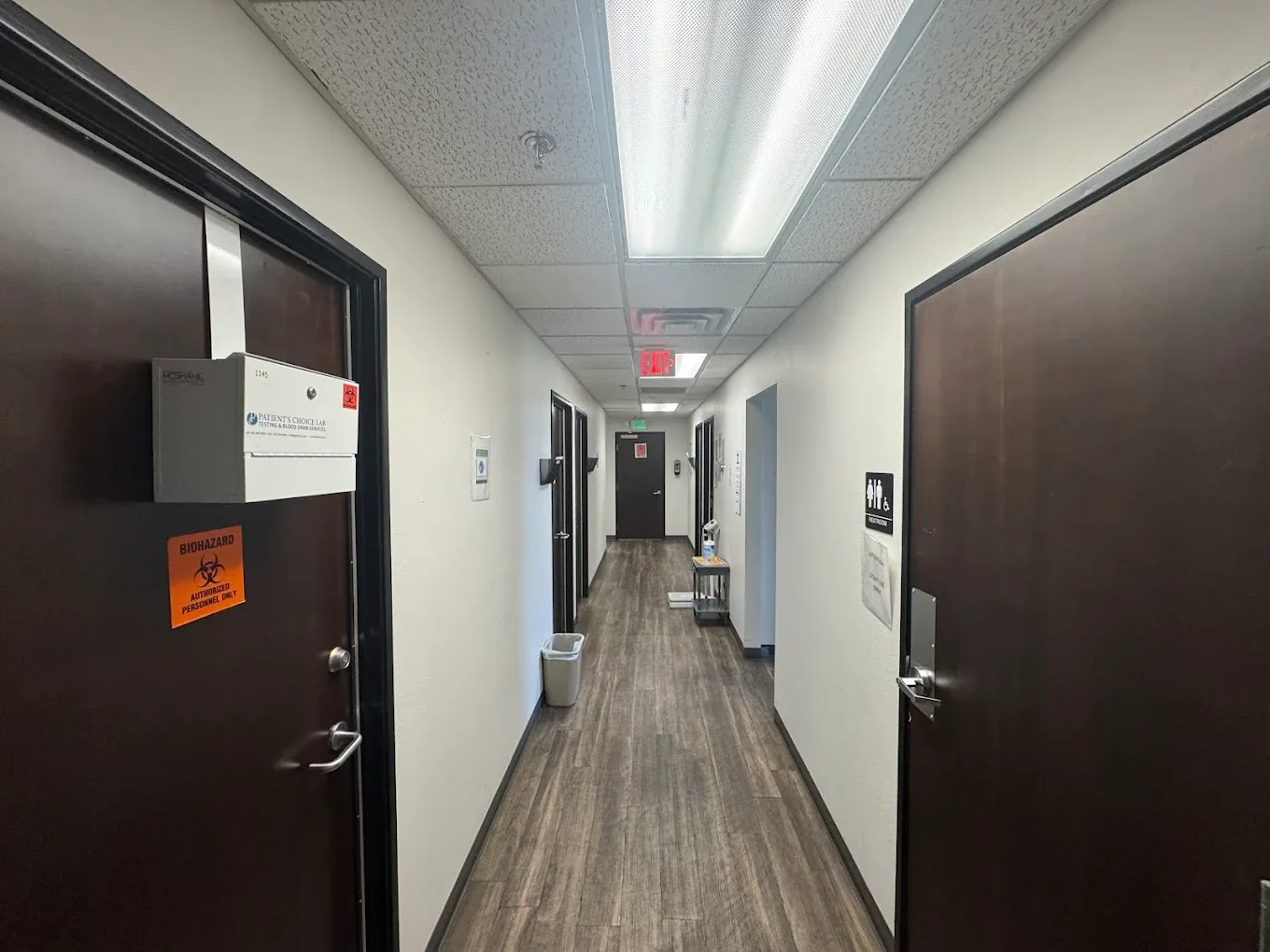
Lab draw station
Non-opioid medications
Other prescription and over-the-counter options, reviewed for how they work alongside or in place of an opioid.
Learn More →
02
Procedure room
Trigger point injections
An option for certain kinds of persistent muscle pain, after an evaluation of the likely source.
Learn More →
03
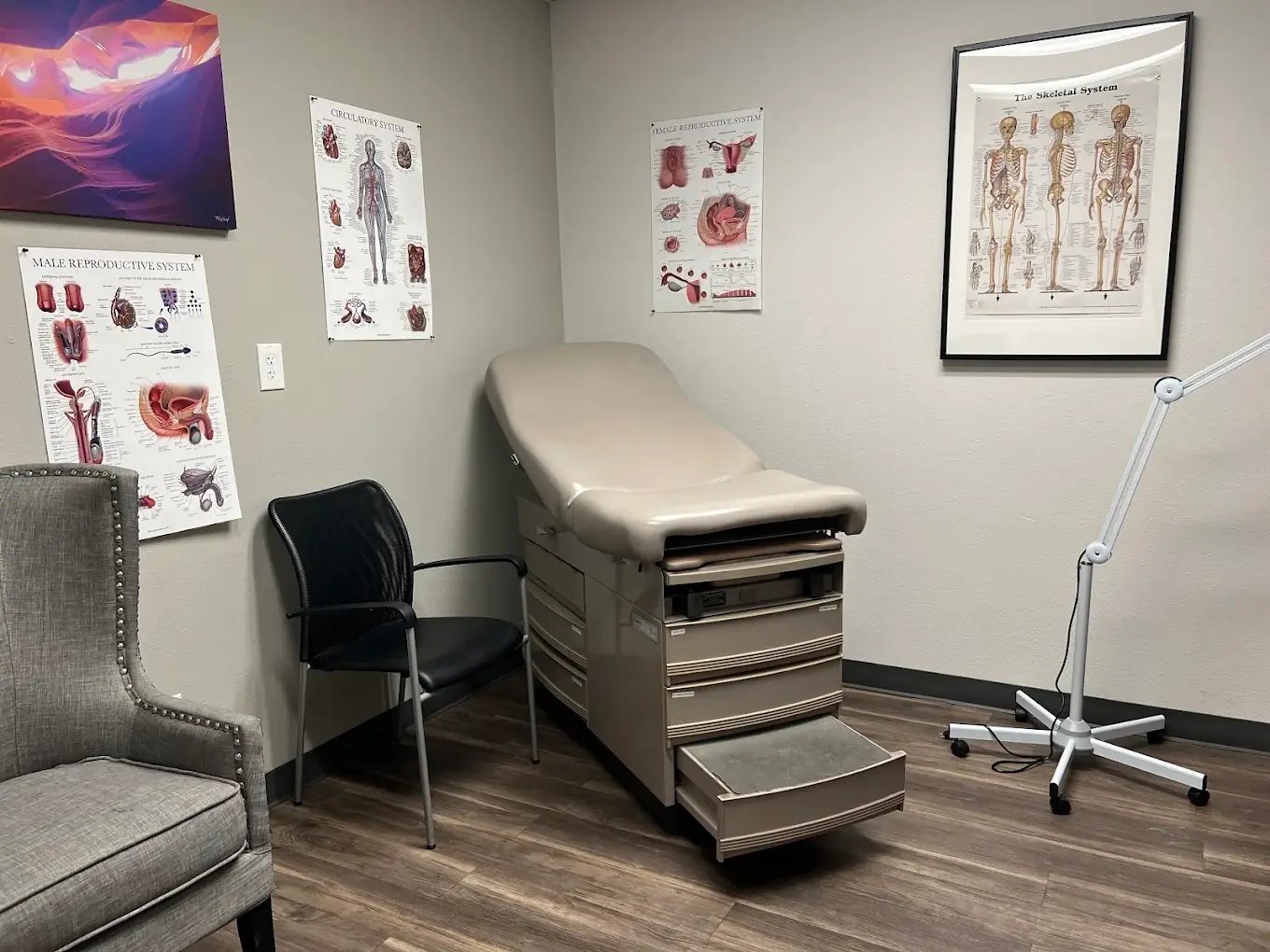
Exam room
Other targeted procedures
Procedures that may be considered for selected conditions. Our team can tell you which are currently offered.
Learn More →
04
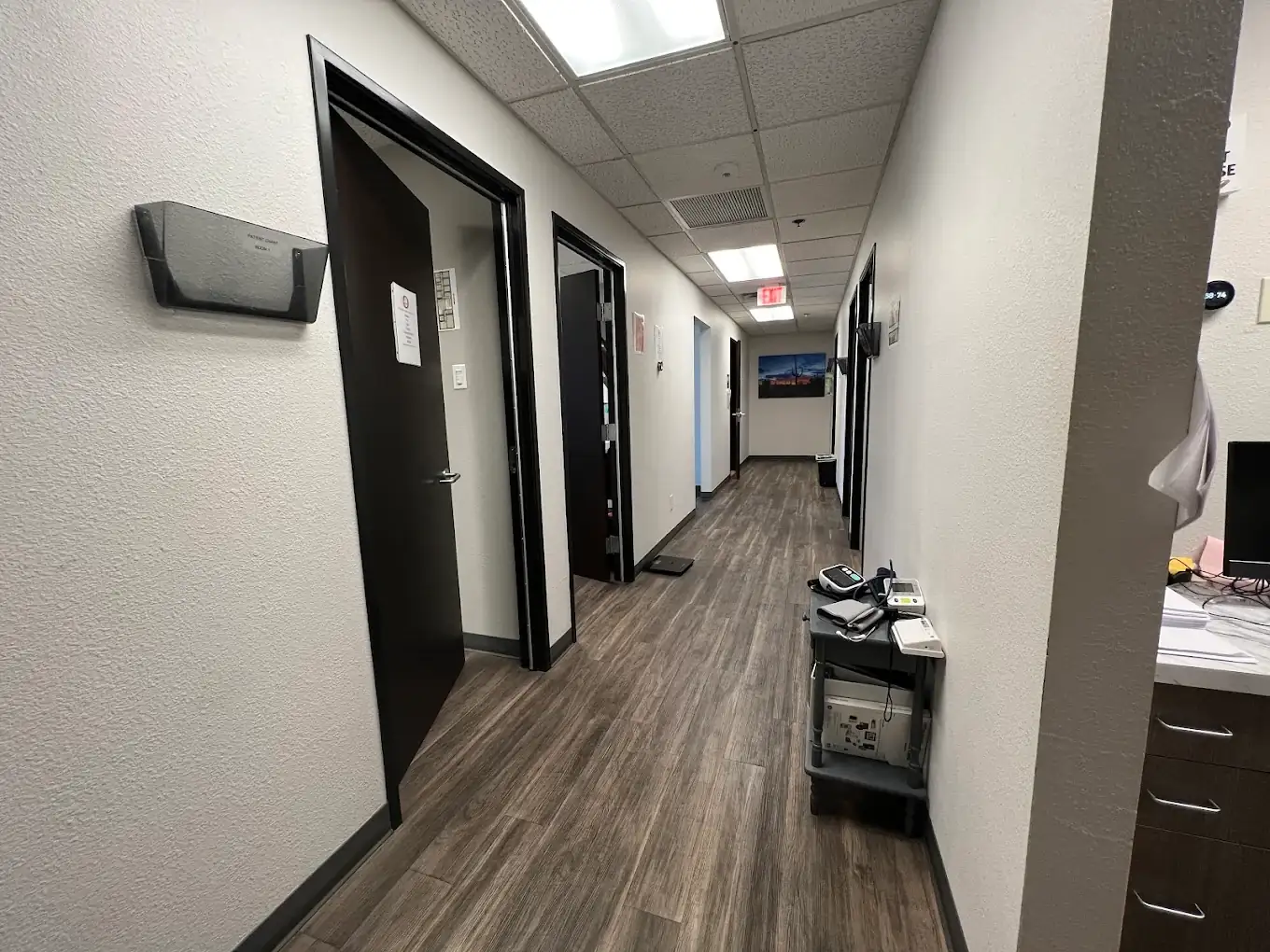
Clinic corridor
Coordinated care
When clinically appropriate, we refer to outside services such as physical therapy or counseling, and with your permission your provider can consider input from your other treating clinicians.
Our approach →
FAQS

Questions about opioid medication management

A list of all current and past pain medications with their doses, your pharmacy, the name of your current or previous prescriber, treatment and imaging records, and notes on what has helped and what has not.
Opioid medication management treats pain. Treatment for opioid use disorder is a different kind of care, and Canyon refers patients to outside providers for it when appropriate.
Visit fees and payment arrangements are explained on our new-patient page, and our team goes over them with you before you schedule.
VISIT US

702 E Bell Rd, Suite 112

Phoenix, AZ 85022
Monday – Thursday8:30 AM – 3:30 PM
Friday – SundayClosed
Text Us Get Directions
Questions about your pain treatment? Start with the new-patient form.
New Patient Form